Boost Your Immune System with Turkey Tail Mushrooms
Your Overall Wellness using Turkey Tail Mushrooms
Introduction To Turkey Tail Mushrooms
- What are turkey tail mushrooms? Turkey tail mushrooms, also known as Trametes versicolor, are a type of fungus that grow in different parts of the world, including North America, Asia, and Europe. They are named after their distinct shape, which resembles a turkey’s tail feathers.
- Why are turkey tail mushrooms important? Turkey tail mushrooms have been used for centuries in traditional medicine for their potential health benefits, including boosting the immune system, fighting cancer, and reducing inflammation. They contain various bioactive compounds, such as polysaccharides, terpenoids, and flavonoids, that have been studied for their potential therapeutic effects.
- What is the purpose of the article? The purpose of the article is to introduce readers to turkey tail mushrooms, their physical characteristics, health benefits, how to use them, possible side effects and precautions, and latest research findings. The article aims to provide readers with a comprehensive overview of this medicinal mushroom and its potential uses in healthcare.
Turkey Tail Mushrooms: What Are They?
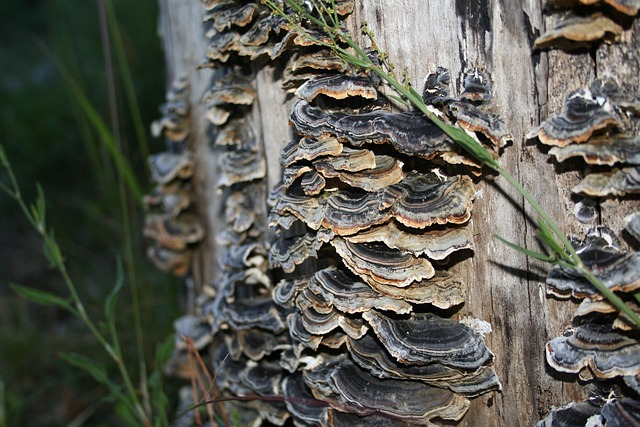
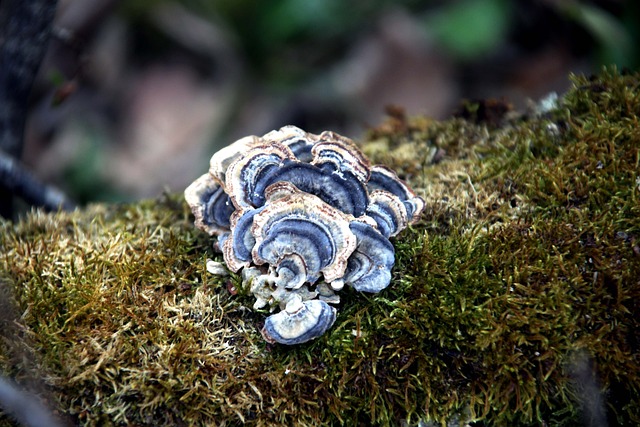
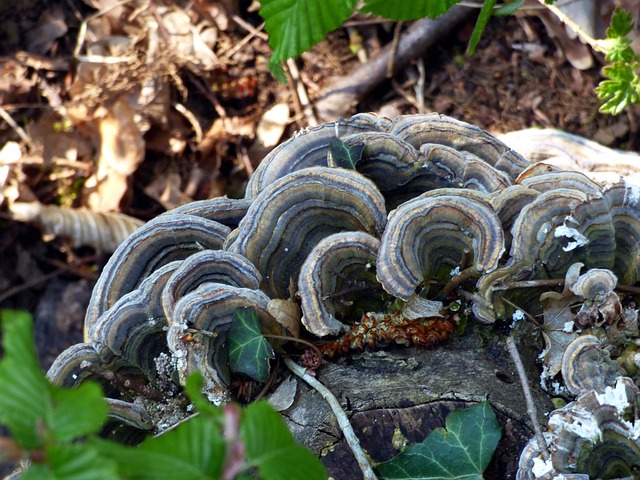
- What do turkey tail mushrooms look like? Turkey tail mushrooms have a distinctive fan-like shape with concentric rings of different colors, including shades of brown, gray, white, and sometimes blue or green. Their caps are typically 2-8 cm in diameter and 0.3-0.5 cm thick.
- Where are turkey tail mushrooms found? Turkey tail mushrooms are commonly found growing on dead or decaying logs, branches, and stumps of hardwood trees, such as oak, maple, and birch. They are found in different parts of the world, including North America, Europe, Asia, and Australia.
- What are the medicinal properties of turkey tail mushrooms? Turkey tail mushrooms are known for their potential medicinal properties, including boosting the immune system, reducing inflammation, fighting cancer, and improving gut health. They contain various bioactive compounds, such as beta-glucans, polysaccharopeptides (PSP), and triterpenoids, that have been studied for their therapeutic effects.
- How have turkey tail mushrooms been used in traditional medicine? Turkey tail mushrooms have a long history of use in traditional medicine, particularly in Asia. They have been used to treat various health conditions, such as infections, indigestion, and cancer. In China, turkey tail mushrooms have been used for over 2,000 years to promote longevity and enhance immunity. In Japan, they are known as “kawaratake” and are used as a natural remedy for various ailments.

Health Benefits of Turkey Tail Mushrooms
What are the health benefits of turkey tail mushrooms? Turkey tail mushrooms have several potential health benefits, including:
- Boosting the immune system: The beta-glucans and other polysaccharides in turkey tail mushrooms have been shown to stimulate the immune system, making it more effective in fighting infections and diseases.
- Antioxidant properties: Turkey tail mushrooms contain various antioxidants, such as flavonoids and phenols, that protect the body from oxidative stress and free radical damage.
- Anti-cancer properties: Several studies have shown that turkey tail mushrooms may have anti-cancer properties, particularly in breast, colorectal, and lung cancers. They contain polysaccharopeptides (PSP) and other compounds that have been shown to inhibit the growth and spread of cancer cells.
- Anti-inflammatory properties: Turkey tail mushrooms contain triterpenoids and other compounds that have been shown to reduce inflammation and oxidative stress, which can lead to chronic diseases such as heart disease and diabetes.
- Anti-viral properties: Some studies have shown that turkey tail mushrooms may have antiviral properties, particularly against the human papillomavirus (HPV) and the hepatitis C virus (HCV).
It’s worth noting that more research is needed to fully understand the potential health benefits of turkey tail mushrooms and their mechanisms of action.
How to Use Turkey Tail Mushrooms?
- How can turkey tail mushrooms be used? Turkey tail mushrooms can be used in various forms, including as supplements, tea, tinctures, and powders. They can also be used in cooking and added to soups, stews, and other dishes for their flavor and potential health benefits.
- How can you prepare and cook turkey tail mushrooms? Turkey tail mushrooms are tough and chewy when raw, so they are typically cooked before consumption. They can be sautéed, roasted, or boiled for about 30 minutes to soften them. They can then be added to different dishes or used to make tea.
- Are there any supplements made from turkey tail mushrooms? Yes, there are various supplements available that contain turkey tail mushroom extracts, such as capsules, tablets, and powders. These supplements are typically marketed as immune system boosters or as natural remedies for various health conditions.
- What are other ways to use turkey tail mushrooms? Apart from cooking and supplements, turkey tail mushrooms can also be used to make tea or tinctures. To make tea, dried turkey tail mushrooms can be steeped in hot water for several minutes. To make a tincture, the mushrooms can be soaked in alcohol or vinegar for several weeks to extract their medicinal properties.
Turkey Tail Mushroom Research and Studies
- What kind of research has been done on turkey tail mushrooms? There have been several scientific studies and clinical trials conducted on turkey tail mushrooms to investigate their potential health benefits. These studies have explored the effects of turkey tail mushrooms on the immune system, cancer, inflammation, and gut health, among other things.
- What are some of the latest findings on turkey tail mushrooms? Some of the latest findings on turkey tail mushrooms include:
- A study published in the Journal of the American Medical Association (JAMA) showed that turkey tail mushrooms, when combined with chemotherapy, improved the survival rates of breast cancer patients.
- Another study found that turkey tail mushrooms may have potential as a natural remedy for inflammatory bowel disease (IBD), due to their anti-inflammatory properties.
- A review of studies on turkey tail mushrooms and immune function suggested that they may help boost the immune system in people with chronic infections, such as HIV.
- What is the potential of turkey tail mushrooms in healthcare? Turkey tail mushrooms have shown promising potential as a natural remedy for various health conditions, particularly as an immune system booster and anti-cancer agent. While more research is needed to fully understand their mechanisms of action and potential side effects, they could potentially be used as a complementary therapy for people with cancer, chronic infections, or inflammatory conditions.
- What are the limitations of current research on turkey tail mushrooms? While there is growing evidence to support the potential health benefits of turkey tail mushrooms, there are still some limitations to the current research. For example, most studies have been conducted on animals or in test tubes, so it’s not clear how the results will translate to humans. Additionally, there is a lack of standardized dosages and preparations, which makes it difficult to compare the results of different studies.
Possible Side Effects and Precautions
What are the possible side effects and precautions of consuming turkey tail mushrooms? While turkey tail mushrooms are generally considered safe for most people, there are some possible side effects and precautions to be aware of. These include:
- Allergic reactions: Some people may be allergic to mushrooms and may experience symptoms such as itching, hives, and difficulty breathing.
- Digestive issues: Consuming large amounts of mushrooms may cause digestive issues, such as bloating, gas, and diarrhea.
- Interactions with medications: Turkey tail mushrooms may interact with certain medications, such as immunosuppressants, so it’s important to talk to a healthcare provider before taking them.
- Contamination: Wild mushrooms can sometimes be contaminated with bacteria or toxins, so it’s important to only consume mushrooms that have been properly identified and prepared.
It’s important to note that more research is needed to fully understand the potential side effects and interCactions of turkey tail mushrooms. It’s always a good idea to consult with a healthcare provider before consuming any new supplements or remedies.
Conclusion
In conclusion, turkey tail mushrooms are a type of fungus that have been used for centuries in traditional medicine for their potential health benefits. They are known for their immune system boosting, antioxidant, anti-cancer, anti-inflammatory, and anti-viral properties. Turkey tail mushrooms can be consumed in various forms, such as supplements, tea, tinctures, and added to different dishes. However, it’s important to be aware of possible side effects and precautions, such as allergic reactions, digestive issues, interactions with medications, and potential contamination. While there is growing evidence to support the potential health benefits of turkey tail mushrooms, more research is needed to fully understand their mechanisms of action and potential side effects. If you are interested in trying turkey tail mushrooms, it’s important to talk to a healthcare provider first. Overall, turkey tail mushrooms have shown promising potential as a natural remedy for various health conditions and could be used as a complementary therapy for people with cancer, chronic infections, or inflammatory conditions.